







Search Results for: ice contamination

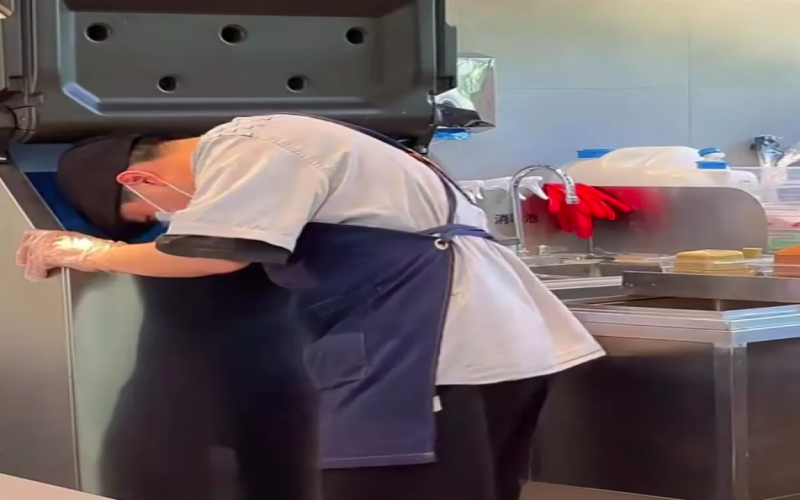
Mixue Bingcheng employee used direct drinking water to make ice, causing contamination; the store involved responded that the person has been dismissed.
Recently, a video of an employee preparing drinks at a Mixue Bingcheng store in Xi'an circulated on social media, sparking widespread discussion. In the video, the employee holds two takeout cups in one hand, adds ice cubes, and then directly places them under a water bucket labeled "direct drinking water" to fill them. The water splashes onto the ice cubes, and some liquid runs down the employee's arm toward the ice cart below. The door of the ice cart cabinet remains open the whole time, prompting onlookers to say the ice has been contaminated. After the incident gained traction, the store involved responded that the company is handling the matter urgently and that the employee has been dismissed. This controversy has once again pushed Mixue Bingcheng's food safety issues into the spotlight, with many consumers calling on the brand to strengthen store operating standards. [more…]
Regulators Investigate Luckin Coffee Over Black Foreign Object in Ice, Food Safety Back in the Spotlight
Recently, a Luckin Coffee store in Huanggang, Hubei, was complained about by a consumer after black spot-like foreign objects were found in the ice in a drink. The incident quickly spread online and trended on social media. The customer said they vomited after drinking it, the store has refunded the money, and the local market supervision department intervened in the investigation. An initial inspection found no signs of mold. Luckin responded that it attaches great importance to the matter and has launched an internal review, but has not yet announced the results. The incident has triggered public discussion about hygiene management in chain coffee shops, and also prompted us to re-examine the potential risks in the ice-making process. [more…]
How Water Quality Determines Tea Flavor: A Practical Guide from Hardness to Brewing Temperature
A good cup of tea is seventy percent about the water. Many people focus only on the tea leaves when brewing, overlooking the decisive influence water quality has on flavor. Water hardness, pH, chlorine content, and total dissolved solids all directly affect the clarity and aromatic layers of the tea liquor. Drawing on real-world cases, this article explains why hard water causes iced tea to turn cloudy, how chlorine masks tea aroma, and offers actionable testing and filtration solutions. It also includes target water temperatures and steeping times for the six major tea categories, along with flavor references for common tea varieties. Whether you run a coffee shop or are a tea enthusiast, you'll find practical methods here to improve the consistency of your output. At the end, there's also information about Front Street Coffee's related products, which is worth checking out. [more…]
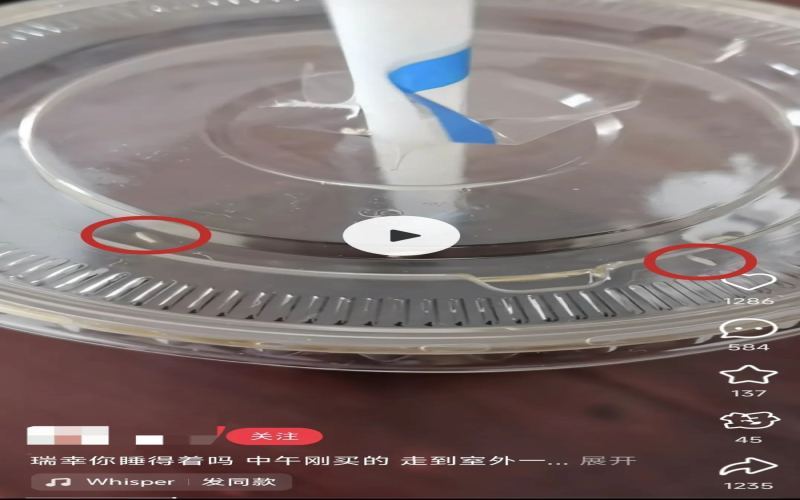
Luckin Coffee Exposed: Live Wriggling Insects Found in Beverage, Consumer Complaint Yet to Receive Response
Recently, a netizen from Zhejiang posted a video on social media claiming to have found several white wriggling worms in a Luckin Coffee drink, sparking widespread attention. According to the netizen, the coffee was purchased by a friend at a newly opened Luckin store in Jiaxing, and the foreign objects were only discovered after more than half of the drink had been consumed. The video shows worms crawling slowly on the cup lid, while similar small white objects can also be seen floating in the dark coffee. After the incident came to light, netizens began discussing the source of the worms, with some speculating they were hatched fly eggs and others questioning whether the coffee had been left too long and become contaminated. The poster stressed that the cup remained sealed throughout, making it difficult for flies to enter. The netizen has contacted Luckin customer service but has not yet received a reply. [more…]
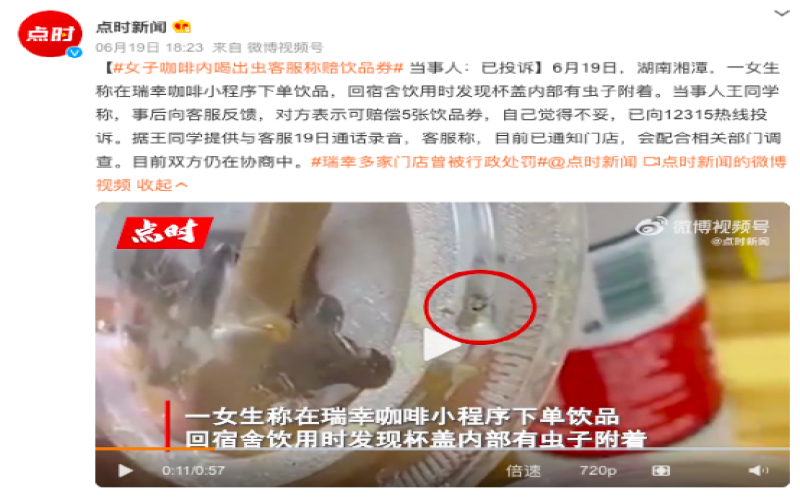
Luckin Drink Contaminated with Insect Sparks Heated Discussion; Customer Service Compensation Plan Questioned, Quality Control Issues in the Spotlight
Recently, a woman in Xiangtan, Hunan Province, found an insect in a Luckin Coffee beverage. The incident quickly trended on Weibo, sparking widespread discussion. The individual involved said that customer service successively offered compensation of two and then five drink coupons, but she was dissatisfied with this and has filed a complaint with 12315. Netizens shared similar experiences and questioned Luckin's compensation plan and hygiene management. At the same time, some voices pointed out that mosquitoes and insects are hard to completely avoid in summer, and a single case should not be used to make sweeping generalizations. This article will review the course of the incident and the views of all parties, and explore the quality control challenges facing the coffee industry. [more…]
What Is the Difference Between Ice Drip and Cold Brew Coffee? A Detailed Guide to the Ice-Brewed Coffee Process and Storage Tips
Ice drip coffee and cold brew coffee are often confused with each other—what exactly is the difference between the two? This article provides a comprehensive breakdown of the differences between ice-brewed coffee and cold brew coffee, covering extraction principles, equipment selection, brewing steps, and coffee bean recommendations. It details how beans such as Front Street Strawberry Candy, Huakui, and Flower Butterfly perform in ice drip brewing, and includes a complete ice drip procedure along with storage suggestions. Whether you prefer floral notes or fermented wine-like aromas, you'll find an iced coffee solution that suits you, while also learning about the respective flavor windows and storage key points for ice drip and cold brew. [more…]
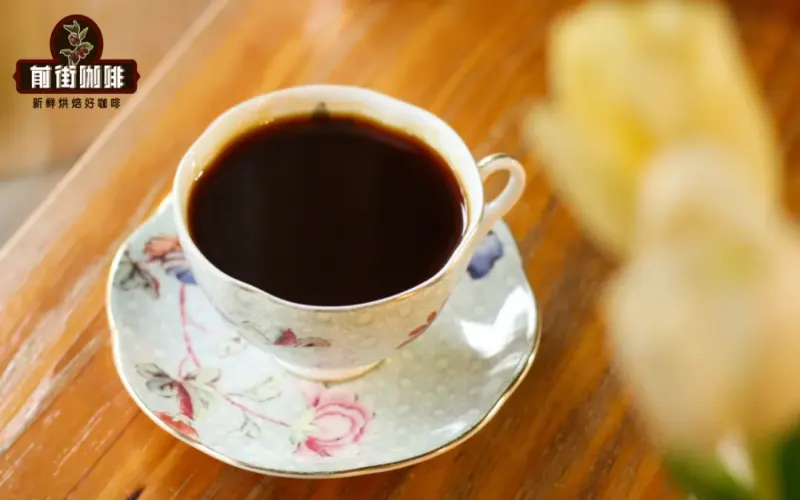
Front Street Yirgacheffe Natural Adado Iced Pour-Over Tutorial: A Complete Guide from Origin Flavor to Brewing
Yirgacheffe, as a star-producing region in Ethiopia, has conquered countless coffee lovers with its signature floral and citrus notes. Among them, the sun-dried Red Cherry grade is particularly renowned for its clean fruit flavors and excellent sweetness, making it especially suitable for iced pour-over. This article will start from the origin characteristics of Front Street Yirgacheffe, explain in detail the unique features of the sun-dried processing method, and share a complete set of iced pour-over parameters and operational steps, including key details such as coffee dose, water amount, grind size, water temperature, and pouring rhythm, helping you easily recreate a refreshing, ice-cold Yirgacheffe iced coffee with distinct flavor layers at home. [more…]

Origin of the Dirty Coffee | Must you use ice bock to make a dirty coffee? How do the taste and mouthfeel of a dirty differ from an iced latte?
Dirty coffee has always existed as a hidden menu item at Front Street Coffee, because in Front Street's view, Dirty is simply a "special" way of drinking a latte. Until one day, I happened to overhear a customer explaining it to his friend, which boiled down to "Dirty is made with ice bock milk [冰博克奶] as the base, then pouring espresso over it." [more…]
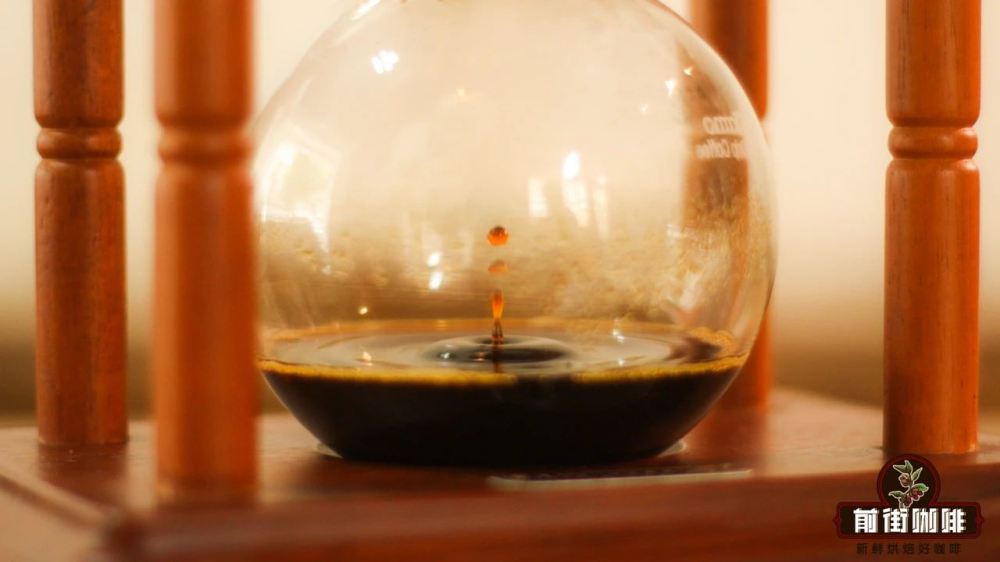
Cold Brew Coffee Characteristics | How Is Cold Brew Different from Iced Americano? Introduction to the Coffee-to-Water Ratio, Grind Size, and Extraction Time for Ethiopian Natural Hambela Cold Brew
Cold brew drip coffee is usually available in limited quantities at cafés, because each preparation takes over eight hours. Cold brew drip coffee originated in Europe. Since this cold coffee drink is said to have been invented by the Dutch, some people call it DUTCH COFFEE. In addition, during the preparation process, it uses naturally falling water droplets. [more…]
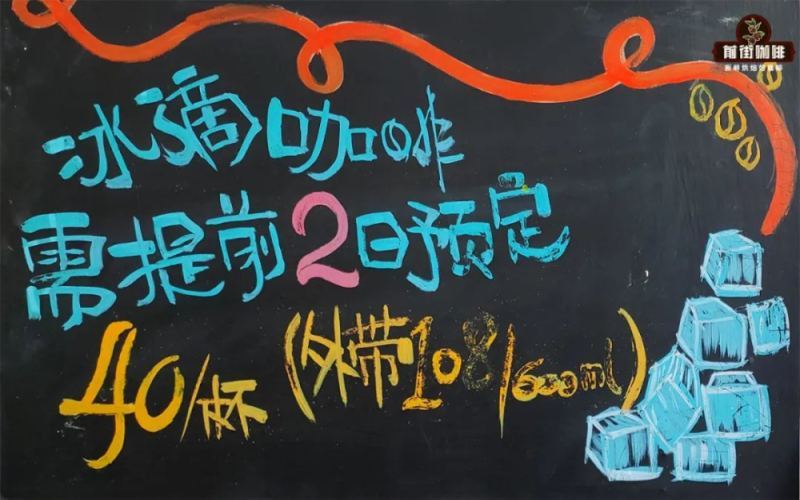
Ice Drip Coffee Fermentation Duration and Cold Brew Optimal Drinking Window: Production Key Points and Storage Recommendations
Cold brew coffee takes a long time to make, so it is often available only in limited quantities at cafés. It originated in Europe and is said to have been invented by the Dutch, which is why it is also called Dutch Coffee. During preparation, ice water seeps through the coffee grounds by dripping naturally, eventually flowing drop by drop into the lower pot, so it is also known as water-drip coffee, and the whole process usually takes more than 8 hours. This article will introduce the steps for making cold brew coffee in detail, including the key aspects of the coffee-to-water-to-ice ratio, grind size selection, filter paper placement, and drip rate control, while also answering common questions about cold brew coffee fermentation time and the best drinking period. The article also uses Front Street Strawberry Candy coffee beans as an example for a practical demonstration and explains the effect of low-temperature refrigeration "aging" on flavor, as well as why it is recommended to drink it within 5 days. [more…]
Analysis of the Flavor Differences Between Ice Bock Latte and Regular Latte, and a Detailed Guide to Making Ice Bock Milk at Home
In recent years, ice bock milk coffee has set off a craze in the coffee world, with many cafés offering it as a signature product, and the refrigerated refined milk launched by Biro further fueled this trend. But even before that, some coffee shops were already using homemade ice bock milk to make drinks. So what exactly is ice bock? How does it differ in flavor from an ordinary latte? This article will start with the origin and principles of ice bock, teach you step by step how to make ice bock milk at home, and share Front Street Coffee's review of the flavor characteristics of ice bock milk, as well as its excellent performance when paired with espresso to make a Dirty. [more…]
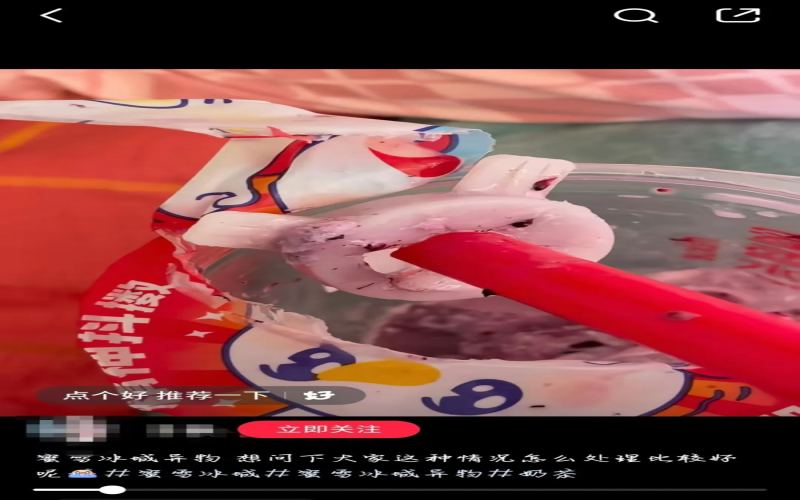
Mixue Ice Cream & Tea Drink Shocks with Ice Cream Machine Part, Staff Collectively Call on Customer to Return the "Veteran Employee"
Recently, a customer posted a video on social media claiming they found a piece of white plastic foreign object in a drink purchased from Mixue Ice Cream & Tea. Unexpectedly, the comment section did not fill with criticism of the merchant. Instead, many Mixue employees left comments pleading with the customer to return this part, which they jokingly called a "veteran employee." It turns out this piece of plastic was the star tip nozzle accessory for the ice cream machine's dispenser outlet. Once lost, it not only affects the shape of the product but also means the staff member may have to pay compensation. Behind this incident lies not only the detailed challenges of equipment management in food service stores but also consumers' ongoing concern about food safety. [more…]
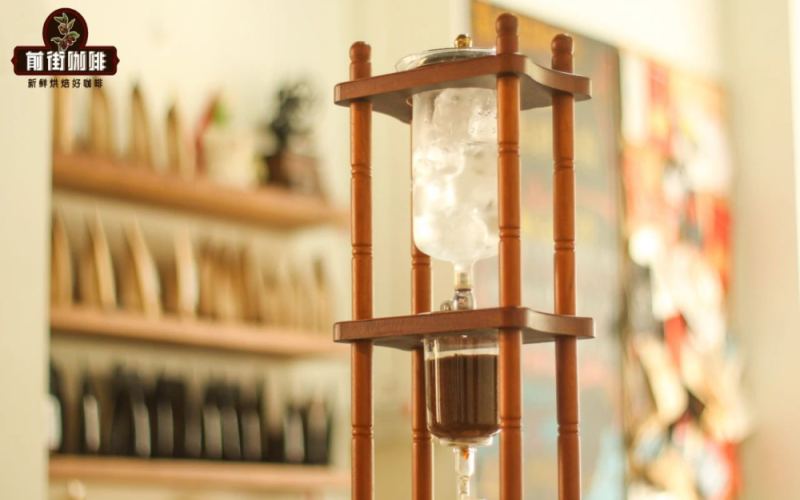
Why Isn't Cold Brew Coffee Sour or Astringent? A Detailed Explanation of Its Taste Characteristics, Brewing Method, and the Principles of Low-Temperature Aging
Ice drip coffee is known for its clean, full-bodied, smooth taste and rich fermented wine aroma, but many people mistakenly think it contains alcohol when they first encounter it. In fact, ice drip is a type of cold brew coffee, made by extracting drop by drop with ice water over a long period. Freshly made ice drip is not at its best for drinking; it needs low-temperature aging in the refrigerator to reveal its full fruity feel and wine aroma. Based on Front Street Coffee's production practice, this article explains in detail the coffee-to-water ratio, drip rate, aging time, and storage recommendations for ice drip, giving you a comprehensive understanding of the flavor sources and key production points of ice drip coffee. [more…]
An Analysis of the Differences Between Ice-Brewed and Cold Brew Coffee: Extraction Principles, Flavor Profiles, and Refrigeration Shelf Life
Ice brewed coffee and cold brew coffee are often confused with each other, but the two actually have their own nuances in terms of extraction method, time control, and flavor presentation. Ice brewing, or ice drip, uses a mixture of ice and water for slow drip filtration, takes several hours, and requires sealed aging; cold brew, on the other hand, uses cold water immersion, has simple equipment, and produces a mellow flavor. This article compares the key production points and taste differences of the two in detail, and answers the question about refrigeration storage time—ice drip is recommended to be consumed within three days, while cold brew can be kept for up to five days. At the same time, combined with Front Street Coffee bean recommendations, it helps enthusiasts choose beans such as Butterfly, Sherry Barrel, or Sun-Dried Huakui according to their preferences, making satisfying iced coffee at home with ease. [more…]

Coffee Equipment | What equipment is needed to make ice drip cold brew? How long can ice drip cold brew coffee be stored? Why does cold brew ice drip taste better after sitting overnight?
For more specialty coffee knowledge, please follow our WeChat public account: Front Street Coffee (FrontStreet Coffee). Recently, more and more friends have been making cold brew coffee, ice drip coffee, and other cold-brewed coffees at home. The ice drip coffee that Front Street prepares in advance is also in short supply. Many friends have also asked, [more…]
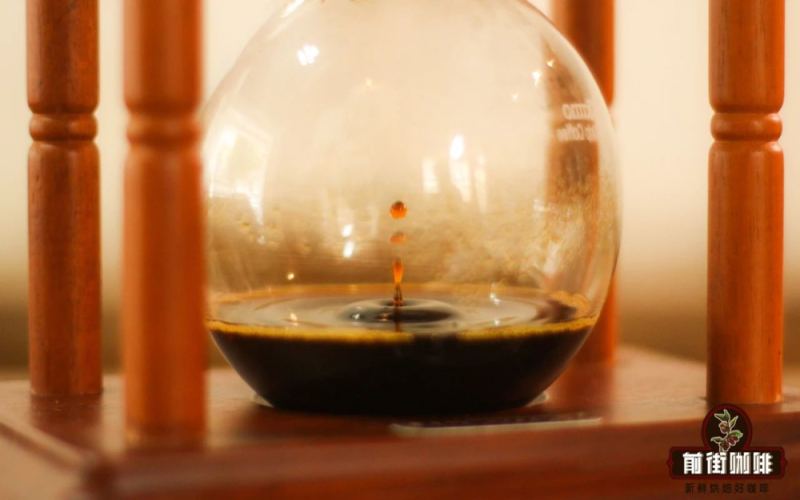
Key points for making cold brew coffee and flavor variations, plus an analysis of the parameter differences from iced pour-over
Cold brew coffee is often served in limited quantities in cafés because a single batch can easily take over eight hours to make. This cold coffee drink, which originated in Europe and is said to have been invented by the Dutch, is also known as DUTCH COFFEE. Because it relies on water dripping naturally through the coffee grounds and then falling drop by drop into the lower vessel to be collected, it is also called water-drip coffee. It is completely different from the simple method of adding ice to hot coffee: the former is low-temperature extraction, while the latter is brewed with hot water and then cooled. This article will cover the production steps of cold brew, bean selection ideas, drip rate control, refrigeration and aging, as well as the specific parameters for iced pour-over, to help coffee lovers clarify the differences between the two kinds of iced coffee, and provide Front Street Coffee bean recommendations and practical reference. [more…]
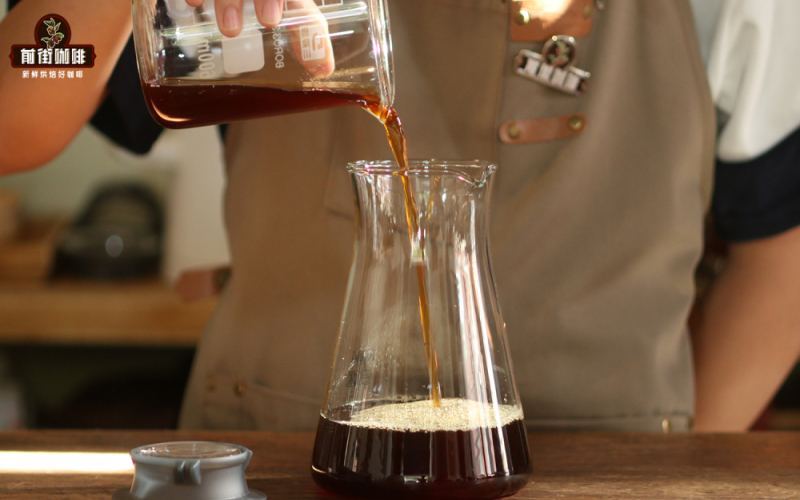
Is Cold Brew Coffee Healthy? How Long Can Iced Coffee Last in the Fridge, and Is It Still Drinkable After 10 Days?
More and more coffee lovers are starting to make cold brew and ice drip coffee at home. This type of low-temperature extracted iced coffee has a refreshing taste, low bitterness, is refreshing and healthy, but many people ask the same question: how long can iced coffee actually be stored in the refrigerator? Is it still drinkable after 10 days? This article will start from Front Street Coffee's practical experience and explain in detail the differences between cold brew and ice drip, the required equipment, coffee bean selection, post-production handling methods, and the respective storage periods and best tasting windows for ice drip and cold brew, helping you enjoy iced coffee safely and deliciously. [more…]
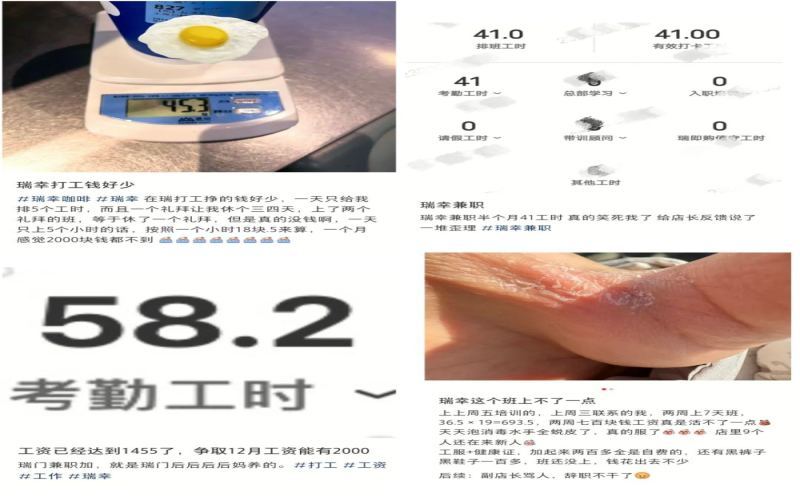
Behind the Shrinking Hours of Luckin Part-Time Baristas: Strict Quality Control, Unpaid Overtime at Closing, and the Reality of a 2,000-Yuan Monthly Salary
Recently on social platforms, many part-time Luckin employees have posted about reduced shifts and monthly pay of only around two thousand yuan, drawing attention. After winter arrives, Luckin stores control part-time working hours, and it is not uncommon for only five hours to be scheduled in a day and only three or four days of work in a week. At the same time, Luckin baristas also have to face strict quality control inspections known as "nightmares," hand damage caused by frequent handwashing and sanitizing, and unpaid overtime of anywhere from a dozen minutes to an hour after closing. This article, based on real feedback from part-time employees, sorts through Luckin stores' quality control system, closing procedures, and part-time employment system, presenting a little-known side behind the barista position. Front Street Coffee also continues to pay attention to the real situation of workers in the coffee industry, providing enthusiasts with diverse perspectives. [more…]
Cold Brew Coffee Tutorial: From Principles to Practice, with Front Street Coffee Bean Recommendations and Refrigeration Storage Tips
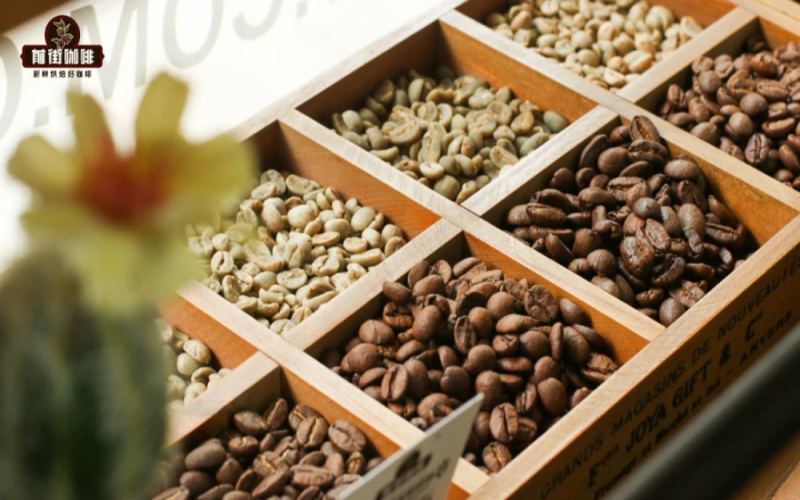
Cold brew coffee has won increasing favor among coffee lovers in recent years thanks to its silky mouthfeel and clean flavor. So how exactly does it differ from regular iced coffee? And which coffee beans are better suited to low-temperature extraction? In this article, Front Street Coffee will walk you through the extraction principles and flavor characteristics of cold brew, and recommend three Front Street Coffee beans for different taste preferences—Huakui, Butterfly, and Strawberry Candy. We'll also share the specific steps for making a single serving of cold brew, along with grinding parameters and coffee-to-water ratio. Finally, we'll explain how long filtered cold brew can be stored in the refrigerator, helping you enjoy cold brew safely and with peace of mind at home. [more…]
Analysis of Ice Drip and Cold Brew Coffee Storage Time in the Refrigerator: Why the Flavor Is Better After 12 Hours of Chilling
In recent years, more and more coffee enthusiasts have begun trying their hand at making cold brew and ice drip coffee at home, and the ice drip coffee produced by Front Street Coffee is often in short supply. Many friends are concerned about: how long can this kind of low-temperature extracted iced coffee be kept after being placed in the refrigerator? Why does ice drip coffee actually taste better after 12 hours of refrigeration? This article will focus on the principles of low-temperature extraction, equipment selection, coffee bean recommendations, and the flavor evolution during refrigeration, systematically answering the shelf life and optimal drinking time of iced coffee, helping you both enjoy great taste and ensure safety. [more…]